


Social-emotional learning (SEL) is one of the core elements of the Alaka’i O Kaua’i Charter School approach to education. Through social-emotional learning, learners understand and manage emotions, set and achieve positive goals, feel and show empathy for others, establish and maintain positive relationships, and make responsible decisions.
Academic achievement is only one aspect of a learner’s education at Alaka’i O Kaua’i Charter School. We also deeply value learners’ development of emotional intelligence, life skills, and community engagement, and we support these through the development of character strengths, as defined by Character Lab. Social-emotional learning develops strengths of heart, mind, and will.
Today, we want to discuss a character strength of will: optimism. Optimism is being hopeful about future outcomes combined with the agency to shape that future.
When we embody the character strength of optimism, the following things are true about us:
- We attribute problems to temporary, changeable causes rather than explaining them in terms that author Martin Seligman calls “the three Ps” – permanent, personal, and pervasive.
- We expect good things from others, the world, and the future.
- We can overcome obstacles to reach goals.
We can help learners build healthy optimism in the following ways:
- Create a positive, stable, caring environment. We can create positive, stable environments where kids feel known and cared for.
- Help learners develop more positive thinking patterns. For example, if a learner gets stuck and says, “I’m not good at this,” we encourage them to reposition the statement like this: “I need more practice or a new perspective to master this concept.” This takes consistent practice.
- Give learners opportunities to learn from their mistakes. If learners experience failure and learn from that failure, they will develop resiliency when obstacles occur.
Character Lab CEO Angela Duckworth has said, “It stands to reason that even in our darkest moments, there will always be hope for humankind.”
That thought likely rings true for many of us as we survey a world gripped by multiple ongoing crises. We all need optimism, and we have a responsibility to help kids develop a healthy strength of optimism that will help them face the world.


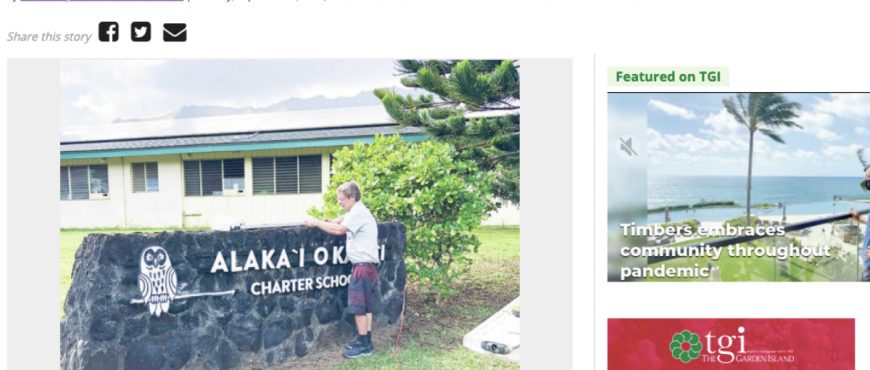
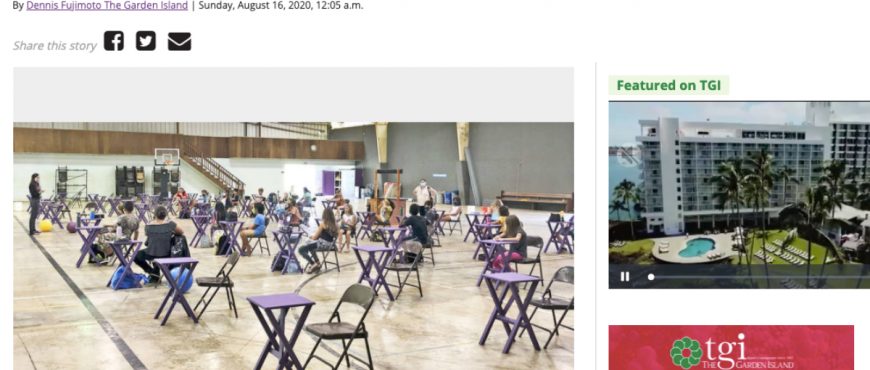


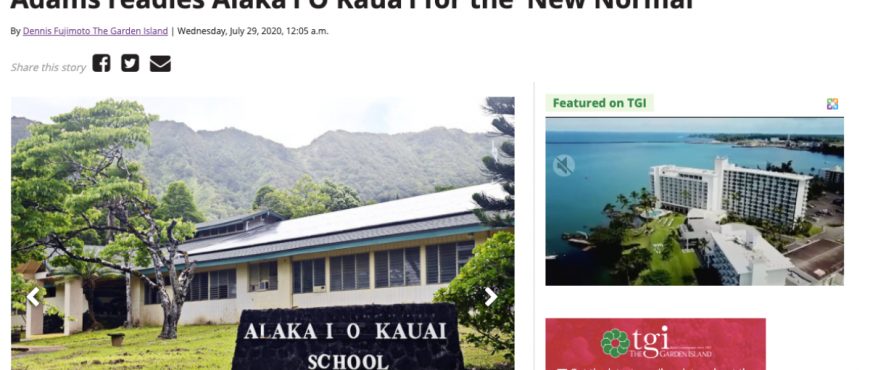
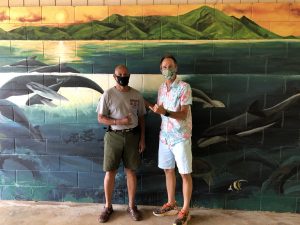
 Aloha to the good people in the Alaka’i O Kaua’i learning community, and hope this message finds you happy and healthy during your summer. As we turn the calendar over to the month of July, it is important to share our plans for the start of school in August.
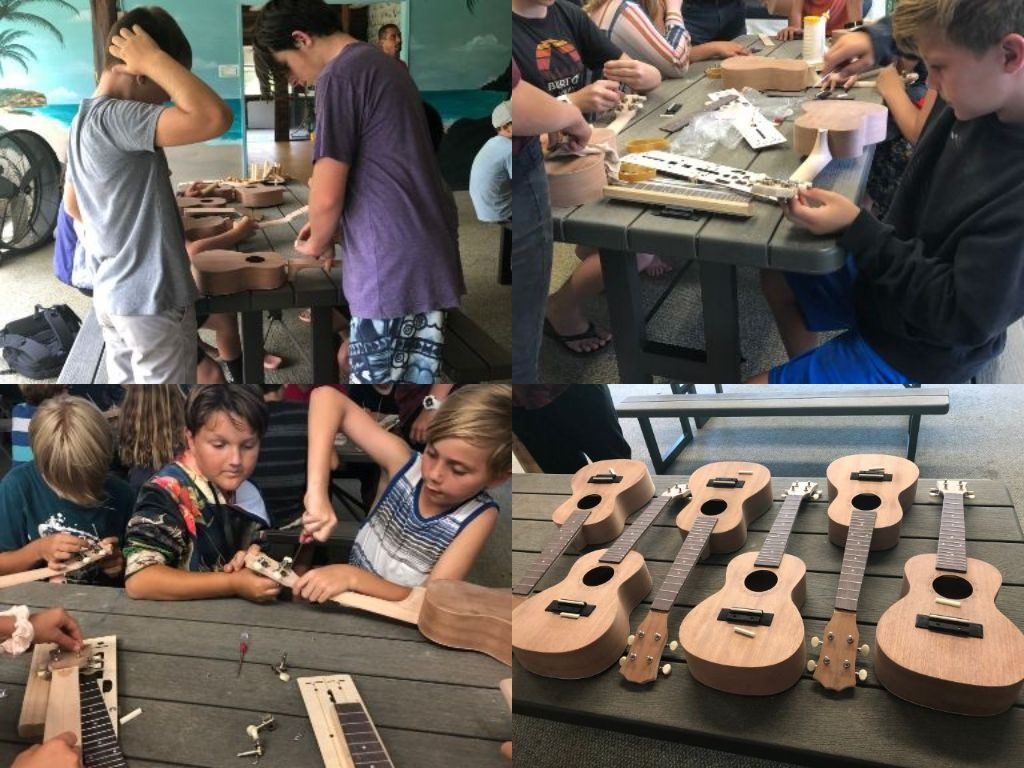
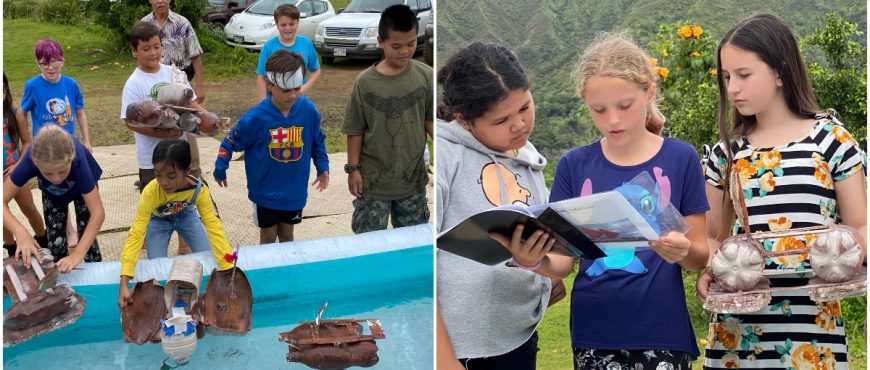
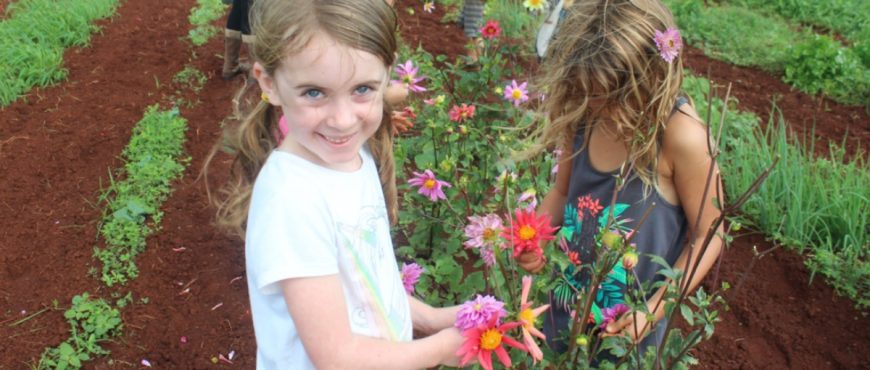
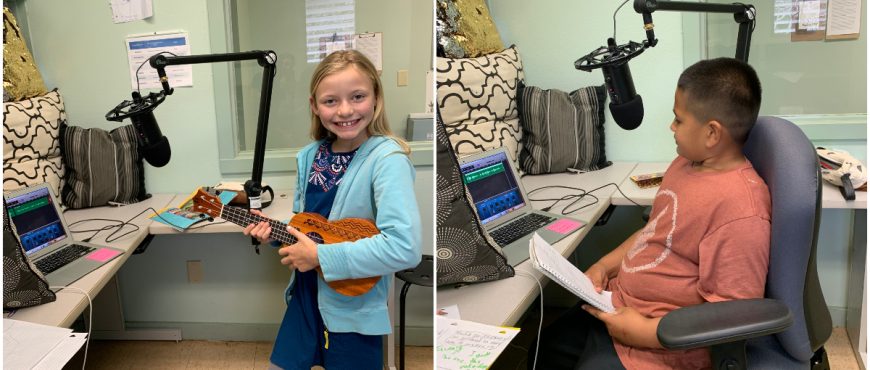
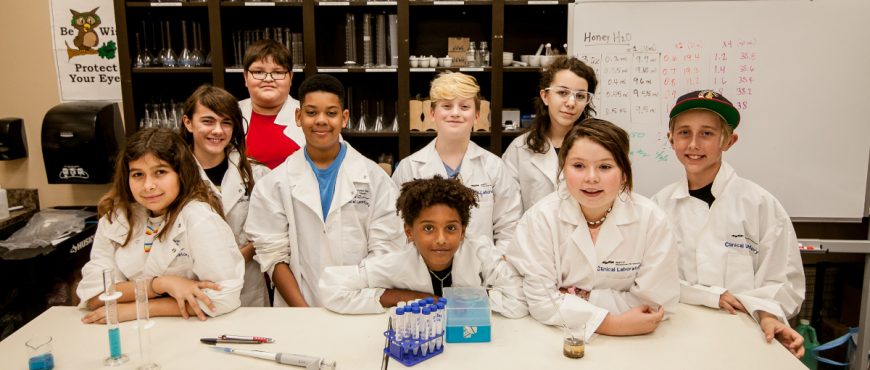
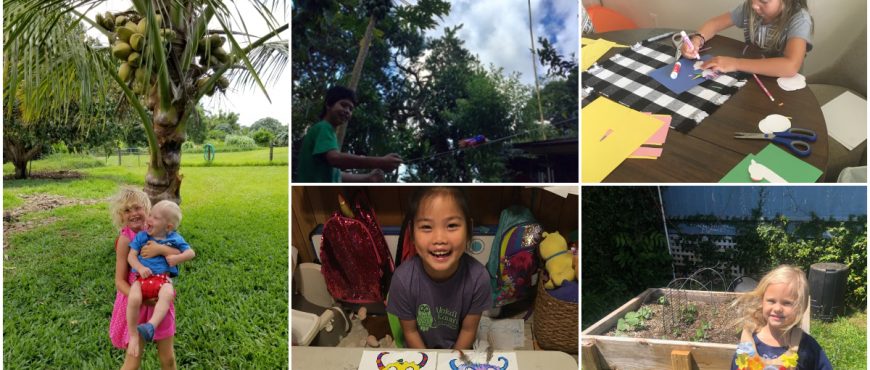
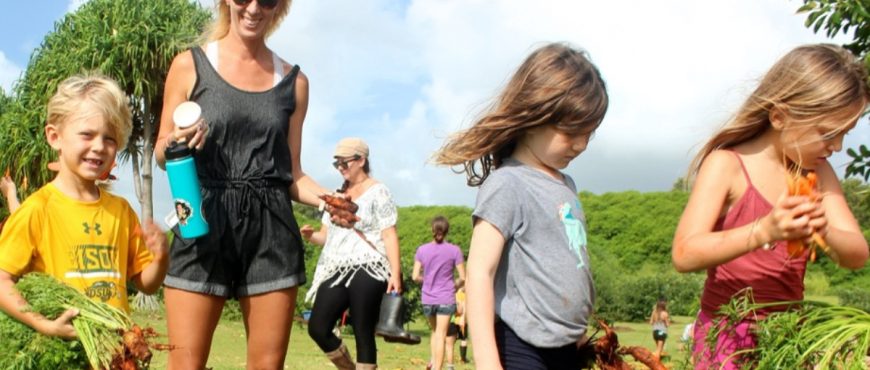
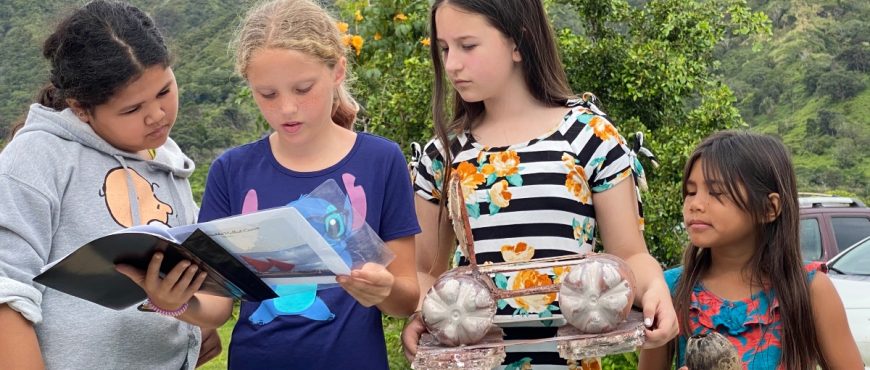
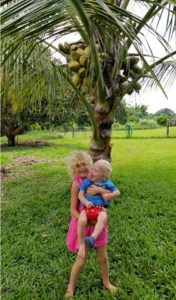 We love to see learning “al fresco” at Alaka’i O Kaua’i.
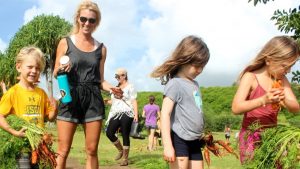 Quality learning experiences in “real” situations have the capacity to raise achievement across a range of subjects and to develop better personal and social skills. When these experiences are well planned, safely managed, and personalized to meet the needs of every child, they can do the following:
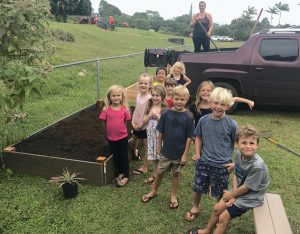 Nurture creativity
