Friday, September 10th – SBAC Celebration Day
Click here for the School Calendar
Friday, September 10th – SBAC Celebration Day
Click here for the School Calendar
At Alaka’i O Kaua’i Charter School, we don’t believe that education happens solely within the four walls of a school. On the contrary, we believe education that produces well-rounded children is a result of synergy and collaboration between the school, the home, and the community.
That is why it is so important to us to build strong partnerships between families and communities. Parents and community partners are key resources to supporting learners’ success, which is why Alaka’i O Kaua’i actively and consistently involves parents, finding ways to support them and extend learners’ education at home.
Through our relationships with various community partners, we are able to provide learning experiences that broaden kids’ perspectives, not to mention often give back to the community. Strong community partnerships are a win-win.
There are several ways we promote parent involvement. We strongly encourage parents to volunteer at their learners’ school during the year, with opportunities including classroom volunteering, tutoring, attending board of directors meetings, participating in events, and more. We also encourage parents to take an active role in their children’s learning.
Other community-related partnerships we encourage and facilitate include partnering with industry professionals, business leaders, government and civic leaders, community leaders, nonprofit leaders, higher-education partners, entrepreneurs, and more. Fostering these relationships provides learners with a wealth of knowledge, advice, and insight, in addition to access to real-world learning opportunities and experiences.
Collaboration is at the heart of Alaka’i O Kaua’i’s project-based learning model. When synergy is found between learners, families, and communities, something really special happens — the foundation is set for authentic learning that produces inspired leaders with promising futures.
Social-emotional learning (SEL) is one of the core elements of the Alaka’i O Kaua’i Charter School approach to education. Through social-emotional learning, learners understand and manage emotions, set and achieve positive goals, feel and show empathy for others, establish and maintain positive relationships, and make responsible decisions.
Academic achievement is only one aspect of a learner’s education at Alaka’i O Kaua’i Charter School. We also deeply value learners’ development of emotional intelligence, life skills, and community engagement, and we support these through the development of character strengths, as defined by Character Lab. Social-emotional learning develops strengths of heart, mind, and will.
Today, we want to discuss a character strength of will: optimism. Optimism is being hopeful about future outcomes combined with the agency to shape that future.
When we embody the character strength of optimism, the following things are true about us:
We can help learners build healthy optimism in the following ways:
Character Lab CEO Angela Duckworth has said, “It stands to reason that even in our darkest moments, there will always be hope for humankind.”
That thought likely rings true for many of us as we survey a world gripped by multiple ongoing crises. We all need optimism, and we have a responsibility to help kids develop a healthy strength of optimism that will help them face the world.
Editor’s Note: This is one in a series of articles on the pillars of Alaka’i O Kaua’i Charter School’s educational philosophy and approach. You can find more articles by clicking here.
This week, we look at Habit #3: Put First Things First. This habit, which all of us at Alaka`i O Kaua`i are working to put into practice, is about identifying and organizing one’s priorities. In essence, someone who puts first things first is saying, “I spend time on things that are most important. I set priorities, make a schedule, and follow a plan. I’m disciplined and organized.”
Dr. Stephen Covey said that “first things” are basically all those things that you value most in your life. So, you should manage your schedule according to your priorities to get all essential things done on time.
Skills that can be learned by putting first things first include:
An effective way to implement Habit #3, according to Covey, is breaking down activities into four quadrants of urgency and importance:
Covey suggests you become more aware of your internal drive, values, and goals. This makes it easier to say “yes” to the actions that are based on these factors. This way, values and goals are less often overruled by (non-important) urgent matters. Remember that whenever you say “yes” to one thing, you will no longer have time for something else. Time is the most valuable and least replaceable of all resources. Things that appear urgent will most likely trigger a “yes” if you are asked to help out. It’s useful to understand that saying “no” is also a legitimate option.
By identifying what’s most important to you, and where your passions lie, you can more easily learn to put first things first.
Join us next week as we explore Habit #4: Think Win-Win.
For more information on the 7 Habits and other leadership resources, click here to visit the FranklinCovey website.
By Nicole Huguenin
Director of Arts Integration and Play Maker, Maker Learning Network

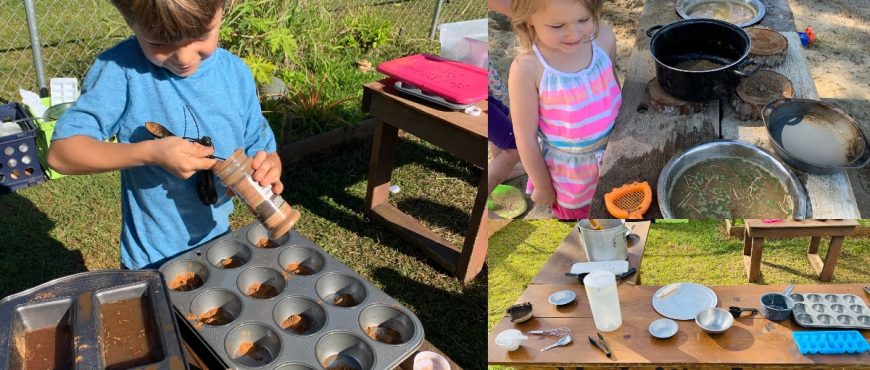
Are you running out of ideas to entertain your bright learners at home? We have just the thing for you: Why not build your family’s very own mud kitchen?
Mud kitchens are so much fun for your kids! Not only do they completely engage children and provide you with some much-needed extra time, but they also encourage the following:
Did you know that dirt is healthy for your kids? Find out “The Dirt on Dirt” and the many health benefits of mud!
Mud kitchens can be as simple as a bowl, a stick, some dirt, and some water. They can also be a little more elaborate. Click here for our collection of mud kitchen ideas on Pinterest! Let your child’s imagination guide them in their mud kitchen adventures.
Items for mud kitchens need not be new. They can be things from around the house, or you can ask friends and relatives if they have any. Thrift stores are also a great place to find things for mud kitchens. See what you can find from this list:
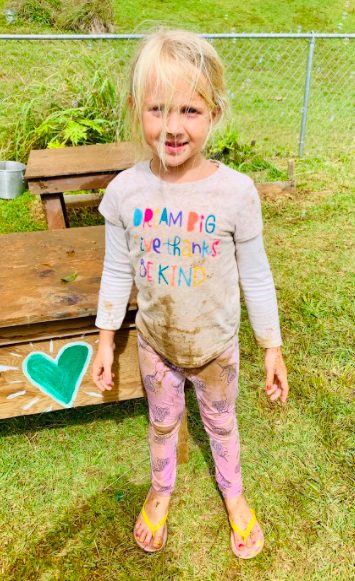
Remember: “Kids are 100% washable!” —Lisa Latimer, iLEAD Agua Dulce School Director
Have fun! #GETMUDDY
Be sure to share your mud kitchen photos with us here!

We call this “passive fundraising.” Through Amazon Smile, you can buy items for the same exact price, and Amazon will send us a portion of their proceeds each time you shop with them. Every little bit counts! Please help us take advantage of the opportunity to earn funds! See below for details and make sure your purchases make a difference! Please help us build a better school for our keiki with the opportunity to earn funds from everyday purchases! We sincerely appreciate everything our Alakaʻi Ohana can do to help!
See below for the simple steps for using Amazon Smile and see how easy it really is!
Amazon Smile
At Alaka’i O Kaua’i Charter School, we believe when kids learn how to face challenges, they grow into leaders. As part of our emphasis on social-emotional learning (SEL), we believe it’s important to develop what we call a growth mindset.
Let’s do a quick test. Do you tend to agree or disagree with the following statements?
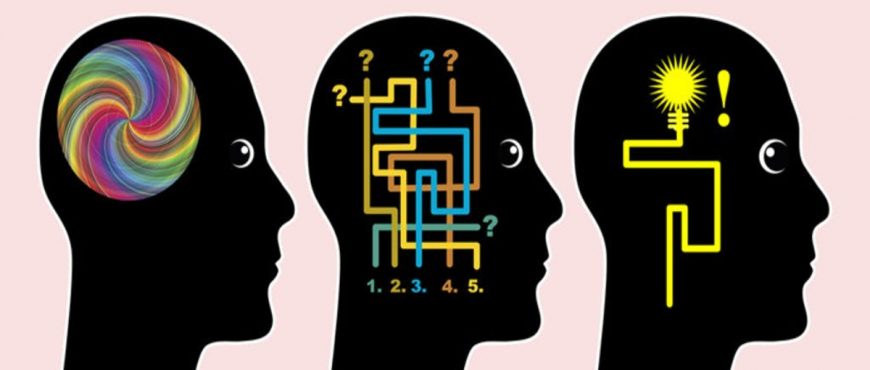
How we respond to these statements reveals whether we have a fixed mindset or a growth mindset. Many children are raised and exposed to situations that create a fixed mindset, which may seem harmless on the surface, but actually creates long-term challenges for them in school and in life, when they fear failure and tend to avoid challenges.
Conversely, children who have a growth mindset are more likely to learn from their mistakes, tackle challenges head-on, and be motivated to succeed.
Some contrasting statements may be helpful for bringing this into focus:
The development of a healthy growth mindset is all about helping kids realize and embrace their potential and equipping them to be empowered and fueled by challenges, rather than hindered by them.
A growth mindset will intrinsically motivate children to improve, learn, and grow in school and all other areas of their lives.
Writing in Scientific American, psychologist Carol S. Dweck unpacked “The Secret to Raising Smart Kids” and the importance of fostering a growth mindset, stressing the importance of seeing success as the result of hard work instead of simply inborn talent.
“When we gave everyone hard problems anyway, those praised for being smart became discouraged, doubting their ability,” she wrote. “In contrast, students praised for their hard work did not lose confidence when faced with the harder questions, and their performance improved markedly on the easier problems that followed” (emphasis ours).
Make no mistake, it is good to praise our children for their strengths and talents, but it is crucial to encourage them to see challenges as opportunities and to value their efforts. If they can learn and embrace this at school age, there’s no telling what they may achieve.
Watch: On Growth Mindset
Spend even just a few moments inquiring about the Alakaʻi O Kauaʻi approach to education, and one of the first things you’ll hear about is project-based learning, or PBL. It’s at the core of our approach to school and a proven asset to education.
So what is project-based learning? In PBL, learners actively explore real-world challenges to acquire deeper knowledge of the subject at hand. Research shows that learners increasingly retain and enjoy what they’re learning when PBL is done well.
This educational model helps students learn the valuable collaboration, academic, and problem-solving skills our global economy will demand from them. Through the PBL method, learners tackle engaging projects about real-world issues that require critical thought, inquiry, and synthesis, and culminate in regular Presentations of Learning (or POLs) to their peers, facilitators, community members, and parents.
The PBL model requires learners to research, collaborate, and carefully weigh information and evidence in a nuanced problem-solving environment. It teaches learners to accept feedback, create solutions, and present their findings in a high-performance context — preparing them for the rigors of the 21st-century economy and the challenges of a global world.
PBL provides the following benefits:
In short, project-based learning is at the core of the Alakaʻi O Kauaʻi model because we believe it is at the heart of how kids learn best. Time and again, we’ve seen how PBL helps learners develop academic skills, build leadership skills and character, and lay the foundation for promising careers.
Editor’s Note: This is one in a series of articles on the pillars of Alaka’i O Kaua’i Charter School’s educational philosophy and approach. You can find more articles by clicking here.
When was the last time you went on a trip to a new place without first looking up directions? Unless you have a superhuman sense of direction, you searched for how to get where you were going, whether on your phone or an old-school paper map. That’s what this week’s habit is all about.
Last week, we discussed the first of the 7 Habits: Be Proactive. A proactive person believes in taking responsibility for their lives and investing their time and energy on things within their control — and not losing sleep over the things they can’t control.
But how does one successfully lead a proactive life? Part of the answer lies in Habit #2: Begin With the End in Mind. Starting a proactive journey is difficult if you don’t know where you are trying to go. Beginning with the end in mind is very much like consulting a road map.
In short, to begin with the end in mind means to begin each day, task, or project with a clear vision of the desired direction and destination, and then continue by flexing one’s proactive muscles to make things happen.
To reinforce a mind-set of beginning with the end in mind, Dr. Stephen Covey encouraged developing what he called a personal mission statement. It focuses on what you want to be and do. It is your plan for success. It reaffirms who you are, puts your goals in focus, and moves your ideas into the real world. Your mission statement makes you the leader of your own life.
So what does it look like for learners to embrace a Habit 2 mind-set and develop their personal mission statements? Helpful steps include reminding themselves of the following:
Do you know why Alaka’i O Kaua’i Charter School’s focus on developing children who are free thinkers fits so well with the 7 Habits? Because, for instance, Habit 2 is based on imagination — the ability to envision in your mind what you cannot at present see with your eyes. When children are empowered to imagine what can be, the results can be incredibly inspiring.
Join us next week as we explore Habit #3: Put First Things First.
For more information on the 7 Habits and other leadership resources, click here to visit the FranklinCovey website.
Last week, we introduced a vital element of Alaka’i O Kaua’i Charter School’s approach to education — The 7 Habits of Highly Effective People. Learning and practicing the 7 Habits has been instrumental to our learners’ success living out the Alaka’i O Kaua’i Charter School motto of “free to think, inspired to lead” — not to mention how it helps our staff thrive.
This week, we’re continuing to unpack the habits with Habit #1: Be Proactive. In short, being proactive is about taking responsibility for your life. Instead of reacting to or worrying about conditions over which they have little or no control, proactive people focus their time and energy on things they can control.
In general, most of us fall into one of two categories: Either we’re reactive to situations in life, affected by factors outside of ourselves and believing we have no control over situations — or we are proactive, realizing that we are “response-able” and that we have freedom to choose our responses. A proactive individual peppers their language with “I can” and “I will,” while a reactive person falls back on “I can’t” or “if only.”
In short, proactive people focus their efforts on what Dr. Stephen Covey calls their Circle of Influence. They work on the things they can do something about, like health or problems at work. On the flip side, reactive people focus their efforts in the Circle of Concern — things over which they have little or no control.
It has been amazing to see how understanding these concepts empowers Alaka’i O Kaua’i Charter School learners to take charge and command over both their education and their lives. We’ve seen time and again how it trickles down to every aspect of their lives, and that is at the heart of the Alaka’i O Kaua’i Charter School model: developing the whole child so that they are equipped to live with purpose and intent.
As Dr. Covey said, “The proactive approach to a mistake is to acknowledge it instantly, correct, and learn from it.” When children learn to apply this in an academic setting, it can only spread to every other area of life.
Next week, we’ll continue exploring what makes the Alaka’i O Kaua’i Charter School approach to education so innovative, explaining Habit #2: Begin With the End in Mind.
For more information on the 7 Habits and other leadership resources, click here to visit the FranklinCovey website.
We’re happy to introduce a new series of articles in the Monday Message, aimed at unpacking some of the essentials of the Alaka’i O Kaua’i Charter School educational model.
Our educational model is driven by much more than simply making sure children are good students. Rather, it’s focused on equipping them to be lifelong learners who are fully developed and prepared to lead in the 21st century.
Whether you’ve been part of the Alaka’i O Kaua’i Charter School family for a while or are fairly new, you’ve most likely heard a lot of talk about “The 7 Habits” and how important they are to what we do. Stephen Covey’s best-selling The 7 Habits of Highly Effective People has been deeply influential in the shaping of our approach to project-based learning, as well as our staff development. We are constantly inspired by how we see our learners put the 7 Habits into action.
Over the coming weeks, we’ll expand on each of the habits, how they relate to learning at Alaka’i O Kaua’i Charter School, and even practical ways you can incorporate them into your daily life.
To get things started, though, we wanted to take today to introduce the 7 Habits.
Coming up next week, we’ll dive into the first habit, Be Proactive, discussing what it looks like in practical terms and how you can make it part of your life.

We call this “passive fundraising.” Through Amazon Smile, you can buy items for the same exact price, and Amazon will send us a portion of their proceeds each time you shop with them. Every little bit counts! Please help us take advantage of the opportunity to earn funds! See below for details and make sure your purchases make a difference! Please help us build a better school for our keiki with the opportunity to earn funds from everyday purchases! We sincerely appreciate everything our Alakaʻi Ohana can do to help!
See below for the simple steps for using Amazon Smile and see how easy it really is!
Amazon Smile

We call this “passive fundraising.” Through Amazon Smile, you can buy items for the same exact price, and Amazon will send us a portion of their proceeds each time you shop with them. Every little bit counts! Please help us take advantage of the opportunity to earn funds! See below for details and make sure your purchases make a difference! Please help us build a better school for our keiki with the opportunity to earn funds from everyday purchases! We sincerely appreciate everything our Alakaʻi Ohana can do to help!
See below for the simple steps for using Amazon Smile and see how easy it really is!
Amazon Smile
Click here for the School Calendar
Click here for the Community Calendar
August 11: Parent Teacher Network virtual meeting,* 5:00 PM
August 13: Wala’au (“start a conversation”) virtual meeting,* 10:00 AM
Zoom links will be shared via email or ParentSquare.
At the end of the 2020-21 school year, Alaka’i O Kaua’i Charter School 2nd graders made this fun music video celebrating the 7 Habits of Highly Effective People. Watch to learn all about the 7 Habits!
We’re looking forward to welcoming our Alaka’i O Kaua’i Charter School learners back to school for the 2021-22 school year! Please click here for lists of classroom supplies your keiki will need.
Click here for the School Calendar
Click here for the Community Calendar
August 3: First Day of 2021-22 School Year
Click here for the School Calendar
Click here for the Community Calendar
July 24: Campus Cleanup Day, 9:00-10:30 AM and 10:30 AM to noon. Sign up here!
August 3: First Day of 2021-22 School Year
We’re looking forward to welcoming our Alaka’i O Kaua’i Charter School learners back to school for the 2021-22 school year! Please click here for lists of classroom supplies your keiki will need.
Click here for the School Calendar
Click here for the Community Calendar
June 21: Public Board Meeting, 5:00 PM
July 19: Public Board Meeting, 5:00 PM
Late July (TBA): Campus Clean-Up
August 3: First Day of 2021-22 School Year
Click here for the School Calendar
Click here for the Community Calendar
May 24: Sports Day
May 25-27: Alaka’i O Kaua’i First Annual Talent Show
May 28: Last day of 2020-21 school year. Kindergarten & 6th grade celebrations. Reports of Progress sent home.
In the Alaka’i O Kaua’i approach to project-based learning, which produces well-rounded kids, social intelligence is a key component of whole-child development.
What do we mean by social intelligence? It’s a person’s ability to interact well with others. It’s often simply called people skills, or tact. It isn’t necessarily a natural-born characteristic, but it can be learned. It involves situational awareness, understanding of social dynamics, and self-awareness.
In a nutshell, it’s the ability to recognize our emotions, exert control over them, show empathy for others, handle conflict well, and make good choices. By helping kids develop social intelligence, we empower them to build stronger relationships and lay the groundwork for bright futures.
Social intelligence isn’t static; it continually develops throughout one’s life. It’s never too late to sharpen it, and children are especially ready to learn. Educating children on healthy communication helps them to be a friend who is empathetic, generous, kind, and a good listener. There are four main characteristics of social intelligence:
Empathy: Empathy determines how well one relates to other people’s thoughts and emotions. Empathetic people consider and understand diverse perspectives, even if they don’t share the same ideas. They can pick up on a person’s mood and adjust their reactions accordingly.
Respect: Mutual understanding calls for a degree of respect. Respecting others can mean adapting communication styles to fit their needs, or finding a healthy compromise.
Behavior: This component concerns how people carry themselves in social situations. Are their actions appropriate for the setting? Do they make others feel relaxed or uncomfortable? A person must be able to adapt when necessary while maintaining their core values.
Self-efficacy: This characteristic refers to how a person judges themselves on their capacity to perform particular tasks. If someone has a stable sense of self-efficacy concerning social intelligence, they’re confident in their social abilities.
These skills are reinforced in school, but the foundations are set at home, which is one reason why Alaka’i O Kaua’i believes in strong parent/guardian involvement in the educational process.
We can do the following to develop our social intelligence:
Much like the other components of the Alaka’i O Kaua’i approach to education, the development of social intelligence builds strengths in kids, as well as sharpening all the other pillars of social-emotional and project-based learning — resulting in well-rounded kids who are ready for whatever challenges life may bring.
Dear Alaka’i O Kaua’i community,
Once a month, we share a new Together Tuesdays video. Click here to submit your photos or short videos for the next edition! Submissions received by the Friday before each edition are eligible to be included.*
We can’t wait to see your contributions!
If you have any questions, simply reply to stories@makerlearning.net.
Sincerely,
The Maker Learning Network Team (formerly iLEAD Schools Development)
*If you send us a photo or video, we will consider this approval for use on our school websites and social media accounts. Please do not include images of video conference screens showing learners.
By Michael Niehoff
Education Content Coordinator, iLEAD Schools
According to the Natural Resources Defense Council, our oceans cover 70 percent of our planet. Oceans affect our weather, air, food and all life on the planet. Due to carbon emissions, plastics, oil and other human waste, our oceans’ health is degrading at an alarming rate. In an effort to combat this phenomenon, Alaka’i O Kaua’i facilitator Ashley Giunta and her 3rd graders accepted a challenge.
Their driving question, according to Giunta, was “How can we protect endangered species in our area?” Giunta and her learners wanted to bring awareness to the estimated eight million tons of plastic dumped into the world’s oceans every year and how this directly affects their local endangered sea turtle population.
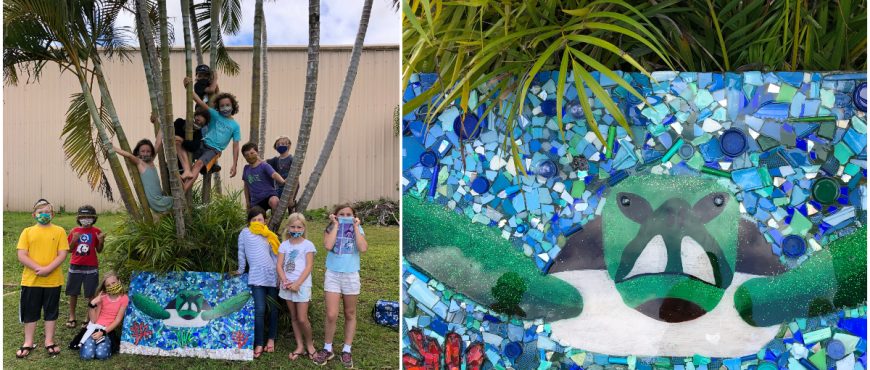
In partnership with the Kauai Chapter of the Surfrider Foundation, Giunta and her learners spent weeks collecting 270 pounds of plastic from their local beaches and ultimately transformed the reclaimed plastic into an art exhibit.
Giunta said the impetus for the project came from a learner interest survey. “Many of our 3rd graders attended a local summer camp, Reef Guardians, and wanted to extend their learning,” Giunta said. Once the topic was chosen, Giunta customized project design elements from a similar project at PBLWorks and launched the project for her learners.
Giunta said the learners did initial research about the threats facing their local endangered sea turtle population. They recorded their scientific findings and compared them with data from other ecosystems around the world. Learners collaborated to discover why their local sea turtle population was no longer thriving and how they might take action to protect the species.
Giunta said the learners were also challenged to inspire their community to take action. “This is where the plastic art installation idea was born,” Giunta said.
In addition to the initial research, the beach cleanup work and the plans for the plastic art installation, learners also wrote letters to Congress advocating for wildlife protection and produced individual reports on other local endangered species, including the green sea turtle, hoary bat, monk seal, nene goose, and shearwater bird, among others. The learners wrote informational and persuasive writing pieces, did a virtual field trip to a bird sanctuary in Kilauea and planted an ohia tree on campus.
Giunta said she was proud of all the work the learners completed and how committed they were to the entire endeavor.
“They learned how to use their voices and to advocate,” Giunta said. “They also learned how things like art can serve as a symbol for change and awareness.”
Giunta said one powerful element of the project was their partnership with Surfrider, which helped the learners fully realize the impact of plastics on the oceans and the planet. The learners even had the opportunity to add their findings to the Surfrider Foundation worldwide database.
“From Surfrider, we learned about ocean-friendly gardens, restaurants, household products, and how we can reduce our carbon footprint by just changing a few routines in our own lives,” Giunta said. “The students were even challenged to pack a no-waste lunch and were rewarded for their efforts.”
Giunta said the feedback from the entire school and community has been overwhelming. The community has embraced the learners’ public work by displaying the art at the Warehouse in Koloa, along with purchasing over 400 greeting cards featuring the artwork. All funds are being donated to help local organizations who work to save endangered species.
In addition to the tremendous impact on the community, Giunta said the most powerful aspect has been that the learners want to continue this work long after the project is over. Many learners are extending their learning and commitment by registering for Reef Guardians Camp this summer, by taking weekly beach hikes to collect plastics and other litter, by challenging one another to bring no-waste lunches and snacks to school and by continuing to upcycle plastics and other found items.
“Our learners have been inspired by this work and are making permanent changes,” Giunta said. “And our entire community has taken notice. I think our school was so inspired that they might make this a tradition.”
By Michael Niehoff
Education Content Coordinator, iLEAD Schools
For educators, an important part of the role is establishing classroom expectations and culture. Some educators develop their own systems, some implement a school-wide plan, and others use practices developed outside of education. Regardless of which approach an educator chooses, the question always remains: How do we encourage all our learners to adopt classroom expectations and culture?
Alaka’i O Kaua’i 2nd grade facilitator Joeanne Mick, who along with the rest of her school community embraces Stephen R. Covey’s 7 Habits of Highly Effective People, has arrived at an effective answer.
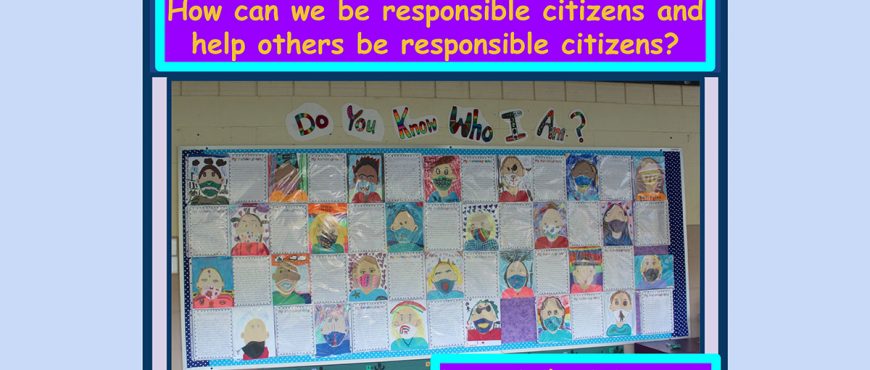
While many educators introduce the norms at the beginning of the year and periodically remind the class, Mick instead makes the 7 Habits a yearlong project. According to Mick, the election year of 2020 inspired the following driving question: “How can I be a responsible citizen and help others be responsible citizens?”
The result was more than a project. According to Mick, it became an effort to continually learn and use the 7 Habits. Mick said she wanted all her learners to reflect on what it means to be an active and engaged citizen in the classroom, at school, in the local community, in Hawaii and even globally.
“I wanted them to have a deeper understanding that led from learning words to taking action,” Mick said. “The 7 Habits are really a philosophy, a mind-set and a way of life. I wanted them to see them that way.”
In Mick’s classroom, the 7 Habits have taken on a life of their own. In January 2021, the learners established an economy, a voting system and an entire culture based on the 7 Habits. There is now a learner store — stocked with family-provided merchandise — that allows learners to purchase items with currency known as Mick Money, which they earn in class for such accomplishments as completing assignments on time, being ready to work and volunteering inside and outside of class. From this income, each learner must pay 25 percent on rent and 15 percent on taxes, and the rest can be spent at the store. The learners earn a dollar a day for attending and can earn additional income for serving the classroom and community.
“The learners are really getting it,” Mick said. “They are asking to do extra jobs, such as sweeping the sidewalks, to earn extra money.”
In addition to the classroom economy and other systems, the learners’ 7 Habits work has extended to field trips, partnerships with outside nonprofit organizations like Surfrider Foundation, creating slideshow presentations like the one below and even creating a puppet show they’ll soon present the 7 Habits to the entire school.
Mick said parents have been enthusiastic about the 7 Habits work and have seen the impact on their children. They love that the learners have taken ownership of the classroom and the store. She said they are often impressed with the learners’ level of responsibility.
“The learners understand what each habit means and how to set goals for themselves,” Mick said.
Recently the learners memorized the song “Leader in Me” and have now decided to record their own version. With Mick’s support, they even recently paid the royalties to use the song.
Educational aid Whitney Backus said she, too, has enjoyed seeing the learners embrace the 7 Habits and has found herself doing a lot of self-reflection as well. “I love that we are doing this the entire year,” Backus said. “It helps my life and my support of the learners.”
Others have seen the growth in the learners over multiple years. iLEAD Director of Curriculum, Instruction and Assessment Linda Krystek, who has worked closely with Alaka’i O Kaua’i from its first year, noted that Mick’s class includes many learners who were part of the school’s founding kindergarten class.
“It’s exciting to see how these young learners have grown into school leaders while developing 21st-century skills,” Krystek said. “By incorporating social-emotional learning into project-based learning, these 2nd graders have developed into articulate, self-directed learners.”
Alaka’i O Kaua’i Director DJ Adams is also proud of the work that Mick and her learners are doing. According to Adams, through the efforts of the learners, the 7 Habits are now firmly embedded into the culture of the school.
“Through their presentations and continuous efforts, these learners have created true cultural change at our unique school,” Adams said.
In addition to the upcoming puppet show and other year-end activities, these 2nd graders are going to finish the school year with one more event with Surfriders focused on cleaning up their local beaches.
Mick said that she is learning a great deal about the 7 Habits herself. “I am learning to delve deep into the 7 Habits and see what they really mean to me as an adult, a facilitator and a citizen every day.”

We call this “passive fundraising.” Through Amazon Smile, you can buy items for the same exact price, and Amazon will send us a portion of their proceeds each time you shop with them. Every little bit counts! Please help us take advantage of the opportunity to earn funds! See below for details and make sure your purchases make a difference! Please help us build a better school for our keiki with the opportunity to earn funds from everyday purchases! We sincerely appreciate everything our Alakaʻi Ohana can do to help!
See below for the simple steps for using Amazon Smile and see how easy it really is!
Amazon Smile
Mrs. Joeanne Mick’s 2nd graders have been deeply invested in project-based learning centered on the 7 Habits. Please enjoy this slide presentation to learn about the habits.
Click here for the School Calendar
Click here for the Community Calendar
May 21: Lei Day Celebration. We will send you a Zoom link to join us online.
May 25-27: Alaka’i O Kaua’i First Annual Talent Show
May 28: Last Day of 2020-21 School Year
Dear Alaka’i O Kaua’i community,
Once a month, we share a new Together Tuesdays video. Click here to submit your photos or short videos for the next edition! Submissions received by the Friday before each edition are eligible to be included.*
We can’t wait to see your contributions!
If you have any questions, simply reply to stories@makerlearning.net.
Sincerely,
The Maker Learning Network Team (formerly iLEAD Schools Development)
*If you send us a photo or video, we will consider this approval for use on our school websites and social media accounts. Please do not include images of video conference screens showing learners.

We call this “passive fundraising.” Through Amazon Smile, you can buy items for the same exact price, and Amazon will send us a portion of their proceeds each time you shop with them. Every little bit counts! Please help us take advantage of the opportunity to earn funds! See below for details and make sure your purchases make a difference! Please help us build a better school for our keiki with the opportunity to earn funds from everyday purchases! We sincerely appreciate everything our Alakaʻi Ohana can do to help!
See below for the simple steps for using Amazon Smile and see how easy it really is!
Amazon Smile
Last week we introduced the importance of social-emotional learning at Alaka’i O Kaua’i Charter School. Social-emotional learning is integral to our whole-child educational approach.
A whole-child mind-set means that we are focused on far more than teaching to tests or holding up state standards as the be-all, end-all of education. We believe in focusing on the whole child and promoting social-emotional learning, because education is about more than test scores.
Whole-child development empowers kids to be creative, engaged citizens. With that in mind, we believe it’s our responsibility to nurture learners’ creative abilities to express themselves, understand others, and navigate complex information so they can confidently solve the problems of an ever-changing world.
So when we say we focus on “whole child” development, what do we mean? We’re talking about an approach to project-based learning that emphasizes the following deeper-learning approaches:
Mastery of Core Academic Content: Learners lay their academic foundation in subjects such as reading, writing, arts, math, and science, understanding essential principles and procedures, recalling facts, and drawing on their knowledge to complete tasks.
Critical Thinking and Problem-Solving: Our learners understand how to construct effective arguments using their critical, analytical, and creative skills. They develop the know-how to come up with solutions to complex problems.
Collaboration: Learners embrace teamwork and consider multiple viewpoints to cooperate and achieve shared goals.
Effective Communication: Learners communicate effectively in writing and oral presentations. They structure information in meaningful ways, listen to and give feedback, and construct messages for particular audiences.
Self-Directed Learning: Learners develop the ability to set goals, monitor their own progress, and reflect on their strengths and areas for improvement. They learn to see setbacks as opportunities to grow and be more adaptive.
Growth Mind-set: Learners with a growth mind-set believe in themselves. They trust their abilities and believe their hard work will pay off; they persist to overcome obstacles. In the process, they also learn from and support each other and see the relevance of their schoolwork to the real world and their own future success.
Coupled with vibrant project-based education and social-emotional learning, all these elements work together to empower kids to overcome any challenge that comes their way academically; but more than that, they build the character to succeed in the 21st century.
Click here for the School Calendar
Click here for the Community Calendar
May 28: Last Day of 2020-21 School Year
Dear Alaka’i O Kaua’i community,
Once a month, we share a new Together Tuesdays video. Click here to submit your photos or short videos for the next edition! Submissions received by the Friday before each edition are eligible to be included.*
We can’t wait to see your contributions!
If you have any questions, simply reply to stories@makerlearning.net.
Sincerely,
The Maker Learning Network Team (formerly iLEAD Schools Development)
*If you send us a photo or video, we will consider this approval for use on our school websites and social media accounts. Please do not include images of video conference screens showing learners.

We call this “passive fundraising.” Through Amazon Smile, you can buy items for the same exact price, and Amazon will send us a portion of their proceeds each time you shop with them. Every little bit counts! Please help us take advantage of the opportunity to earn funds! See below for details and make sure your purchases make a difference! Please help us build a better school for our keiki with the opportunity to earn funds from everyday purchases! We sincerely appreciate everything our Alakaʻi Ohana can do to help!
See below for the simple steps for using Amazon Smile and see how easy it really is!
Amazon Smile
In our approach to education at Alaka’i O Kaua’i Charter School, we emphasize methods that foster learners’ social-emotional learning. Social-emotional learning is the process through which learners understand and manage emotions, set and achieve positive goals, feel and show empathy for others, and establish and maintain positive relationships to make responsible decisions.
We believe it’s vital to help learners develop skills such as social awareness, self-management, regulation of emotions, and self-awareness so they can weave these abilities through every facet of their lives. When emotional intelligence is nurtured and developed, it can inspire creativity and increased engagement.
Over the coming weeks, we will explore nine pillars of social-emotional learning (SEL) at Alaka’i O Kaua’i:
But why is SEL so important?
To adapt to an increasingly globalized economy, education must emphasize more than rote knowledge. We believe learners should be empathetic, critical thinkers who thoughtfully engage with the world around them. Modern employers prize these skills in the workplace, and research suggests employees with more highly developed social-emotional strengths earn more and are more productive.
Additionally, focusing on non-cognitive skills may further improve reading, writing, and mathematics performance in kids, according to the nonpartisan think tank Economic Policy Institute.
We measure and report SEL progress as part of every project, individualized learning plan goal, and Report of Progress. We have also developed SEL and academic rigor rubrics that add a well-balanced approach to academics and reflective practice for facilitators, learners, families, and administrators. Other elements of our SEL implementation, practice, and assessment include our Learner-Led Conferences (LLCs), Presentations of Learning (POLs), Passion Projects, Individualized Learning Plans (ILPs), Advisory Program, Morning Meetings, learner-led ambassador groups, and restorative approaches to discipline.
PBL expert and iLEAD partner Thom Markham summed up why social-emotional learning is so vital. “Navigating a changing world demands a communicative, creative, and collaborative person with a flexible, empathetic, resilient, and persistent temperament,” he said. “It’s time to make a change to our mind-set and be far more intentional about teaching the dispositions and personality attributes that lead to better work ethic, more engagement, improved relationships, a greater sense of well-being — and better projects.”
At Alaka’i O Kaua’i, our goal is nothing less.
Click here for the School Calendar
Click here for the Community Calendar
April 29-30: Literacy Assessments
May 28: Last Day of 2020-21 School Year
Dear Alaka’i O Kaua’i community,
Once a month, we share a new Together Tuesdays video. Click here to submit your photos or short videos for the next edition! Submissions received by the Friday before each edition are eligible to be included.*
We can’t wait to see your contributions!
If you have any questions, simply reply to stories@makerlearning.net.
Sincerely,
The Maker Learning Network Team (formerly iLEAD Schools Development)
*If you send us a photo or video, we will consider this approval for use on our school websites and social media accounts. Please do not include images of video conference screens showing learners.

We call this “passive fundraising.” Through Amazon Smile, you can buy items for the same exact price, and Amazon will send us a portion of their proceeds each time you shop with them. Every little bit counts! Please help us take advantage of the opportunity to earn funds! See below for details and make sure your purchases make a difference! Please help us build a better school for our keiki with the opportunity to earn funds from everyday purchases! We sincerely appreciate everything our Alakaʻi Ohana can do to help!
See below for the simple steps for using Amazon Smile and see how easy it really is!
Amazon Smile
Alaka’i O Kaua’i Charter School emphasizes 21st-century skills and preparing learners for the work world, and tangible experiences help elevate the learning process.
Examples include our third graders’ podcast; our DreamUp to Space challenges, where teams of learners come up with scientific research projects that launch to the International Space Station for testing; or our living history programs, where learners re-create scenes from history.
Real-world experience is at the heart of what can make project-based learning (PBL) truly exciting, challenging, and rewarding for learners. When PBL is infused with real-world experiences, learners develop crucial skills while they’re still in school. Additionally, these experiences can provide learners with deeper insights into career areas they may want to pursue. Furthermore, kids find that their success isn’t defined merely by a grade but by the experience they gain through the process.
Finally, learning that incorporates real-world experience helps learners become familiar with professional environments. Besides learning the subject content, learners develop skills crucial in the work world, including clear and timely communication, thinking critically, problem-solving, and time management.
As part of a well-rounded PBL curriculum, real-world experiences are essential to Alaka’i O Kaua’i Charter School’s mission.
Click here for the School Calendar
Click here for the Community Calendar
April 29: Minimum Day
April 29-30: Literacy Assessments
May 28: Last Day of 2020-21 School Year
April 19, 1:00-2:00 PM HST
Join NASA Ames Chief Scientist Dr. Jacob Cohen and his team to learn about The Hazards of Space Travel. Following his presentation, participants will have the opportunity for a Q&A. Spaces are limited, so please click here to register today!
Dear Alaka’i O Kaua’i community,
Once a month, we share a new Together Tuesdays video. Click here to submit your photos or short videos for the next edition! Submissions received by the Friday before each edition are eligible to be included.*
We can’t wait to see your contributions!
If you have any questions, simply reply to stories@makerlearning.net.
Sincerely,
The Maker Learning Network Team (formerly iLEAD Schools Development)
*If you send us a photo or video, we will consider this approval for use on our school websites and social media accounts. Please do not include images of video conference screens showing learners.

We call this “passive fundraising.” Through Amazon Smile, you can buy items for the same exact price, and Amazon will send us a portion of their proceeds each time you shop with them. Every little bit counts! Please help us take advantage of the opportunity to earn funds! See below for details and make sure your purchases make a difference! Please help us build a better school for our keiki with the opportunity to earn funds from everyday purchases! We sincerely appreciate everything our Alakaʻi Ohana can do to help!
See below for the simple steps for using Amazon Smile and see how easy it really is!
Amazon Smile
April 19, 1:00-2:00 PM HST
Join NASA Ames Chief Scientist Dr. Jacob Cohen and his team to learn about The Hazards of Space Travel. Following his presentation, participants will have the opportunity for a Q&A. Spaces are limited, so please click here to register today!
At Alaka’i O Kaua’i Charter School, what’s important is not only ensuring learners are receiving an academically well-rounded education but also that they have the tools they need to succeed in an ever-changing world. That’s why we place a high priority on 21st-century skills.
These skills are essential in a worldwide market that’s moving faster by the day, and they funnel to a key focus: a person’s ability to enact and/or adapt to change.
Why? Because we live in a world where long-established industries are now regularly disrupted with new ideas and methodologies. Kids are preparing for work in an era when nothing is guaranteed, and it’s important to be adaptable.
When we speak about 21st-century skills, we’re talking about those things that help learners adapt and thrive in a world that is increasingly more dependent on technology as well as a global economy and workplace. The 12 essential 21st-century skills include the following:
Through individualized instruction and project-based learning, we celebrate and foster each child’s individuality and support them in discovering their highest potential. We believe each child will be equipped with the skills and knowledge to achieve their fullest potential in preparation for college and the demands of the 21st-century workplace.
Succeeding in the 21st century calls for skill sets that go beyond the basics mandated by densely packed education standards and what’s evaluated on standardized tests. Learners also need to build skills sets that will last a lifetime. To solve problems in our complex, fast-changing world, learners must become nimble, creative thinkers who can work well with others.
In line with the 12 skills identified above, there are four Cs Alaka’i O Kaua’i focuses on instilling in learners, as identified by the Partnership for 21st-Century Skills:
It is critical to keep in mind that those 4Cs don’t replace academic learning goals; rather, they complement and enhance them.
Since Alaka’i O Kaua’i ’s inception, we have been committed to helping develop well-rounded kids, those who are lifelong learners empowered to lead and succeed in a changing world. By incorporating 21st-century skills, we’re making sure they’re ready for anything they face in their journey.
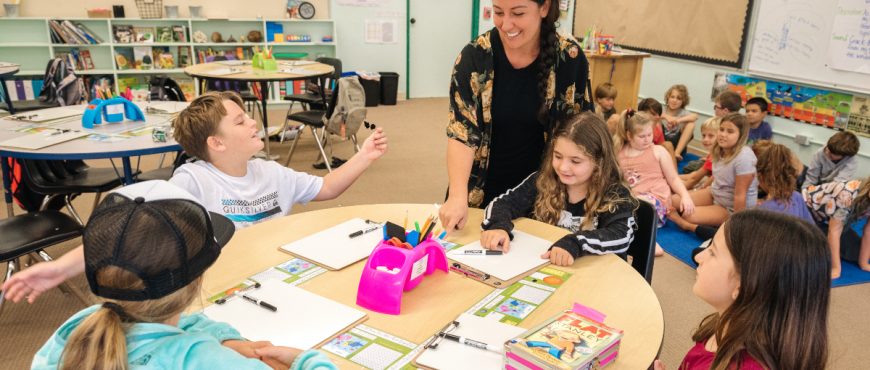
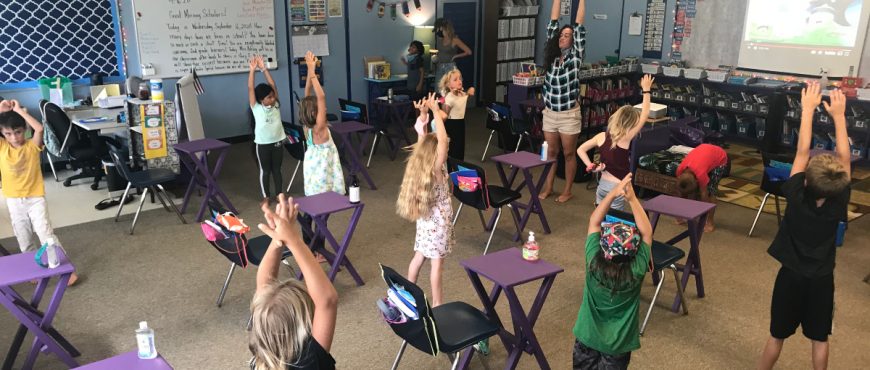
Pictured: Alaka’i O Kaua’i classroom, February 2020.
Click here for the School Calendar
Click here for the Community Calendar
April 29: Minimum Day
April 29-30: Literacy Assessments

We call this “passive fundraising.” Through Amazon Smile, you can buy items for the same exact price, and Amazon will send us a portion of their proceeds each time you shop with them. Every little bit counts! Please help us take advantage of the opportunity to earn funds! See below for details and make sure your purchases make a difference! Please help us build a better school for our keiki with the opportunity to earn funds from everyday purchases! We sincerely appreciate everything our Alakaʻi Ohana can do to help!
See below for the simple steps for using Amazon Smile and see how easy it really is!
Amazon Smile
Dear Alaka’i O Kaua’i community,
Once a month, we share a new Together Tuesdays video. Click here to submit your photos or short videos for the next edition! Submissions received by the Friday before each edition are eligible to be included.*
We can’t wait to see your contributions!
If you have any questions, simply reply to stories@makerlearning.net.
Sincerely,
The Maker Learning Network Team (formerly iLEAD Schools Development)
*If you send us a photo or video, we will consider this approval for use on our school websites and social media accounts. Please do not include images of video conference screens showing learners.
Click here for the School Calendar
Click here for the Community Calendar
April 5: Learner Free Day (Staff Professional Learning Day)

We call this “passive fundraising.” Through Amazon Smile, you can buy items for the same exact price, and Amazon will send us a portion of their proceeds each time you shop with them. Every little bit counts! Please help us take advantage of the opportunity to earn funds! See below for details and make sure your purchases make a difference! Please help us build a better school for our keiki with the opportunity to earn funds from everyday purchases! We sincerely appreciate everything our Alakaʻi Ohana can do to help!
See below for the simple steps for using Amazon Smile and see how easy it really is!
Amazon Smile
Dear Alaka’i O Kaua’i community,
Once a month, we share a new Together Tuesdays video. Click here to submit your photos or short videos for the next edition! Submissions received by the Friday before each edition are eligible to be included.*
We can’t wait to see your contributions!
If you have any questions, simply reply to stories@makerlearning.net.
Sincerely,
The Maker Learning Network Team (formerly iLEAD Schools Development)
*If you send us a photo or video, we will consider this approval for use on our school websites and social media accounts. Please do not include images of video conference screens showing learners.
Spend even just a few moments inquiring about the Alakaʻi O Kauaʻi approach to education, and one of the first things you’ll hear about is project-based learning, or PBL. It’s at the core of our approach to school and a proven asset to education.
So what is project-based learning? In PBL, learners actively explore real-world challenges to acquire deeper knowledge of the subject at hand. Research shows that learners increasingly retain and enjoy what they’re learning when PBL is done well.
This educational model helps students learn the valuable collaboration, academic, and problem-solving skills our global economy will demand from them. Through the PBL method, learners tackle engaging projects about real-world issues that require critical thought, inquiry, and synthesis, and culminate in regular Presentations of Learning (or POLs) to their peers, facilitators, community members, and parents.
The PBL model requires learners to research, collaborate, and carefully weigh information and evidence in a nuanced problem-solving environment. It teaches learners to accept feedback, create solutions, and present their findings in a high-performance context — preparing them for the rigors of the 21st-century economy and the challenges of a global world.
PBL provides the following benefits:
In short, project-based learning is at the core of the Alakaʻi O Kauaʻi model because we believe it is at the heart of how kids learn best. Time and again, we’ve seen how PBL helps learners develop academic skills, build leadership skills and character, and lay the foundation for promising careers.
Click here for the School Calendar
Click here for the Community Calendar
April 2: Good Friday – No School
April 5: Learner Free Day (Staff Professional Learning)

We call this “passive fundraising.” Through Amazon Smile, you can buy items for the same exact price, and Amazon will send us a portion of their proceeds each time you shop with them. Every little bit counts! Please help us take advantage of the opportunity to earn funds! See below for details and make sure your purchases make a difference! Please help us build a better school for our keiki with the opportunity to earn funds from everyday purchases! We sincerely appreciate everything our Alakaʻi Ohana can do to help!
See below for the simple steps for using Amazon Smile and see how easy it really is!
Amazon Smile
We are located at Kahili Mountain Park on the south side of Kauai.